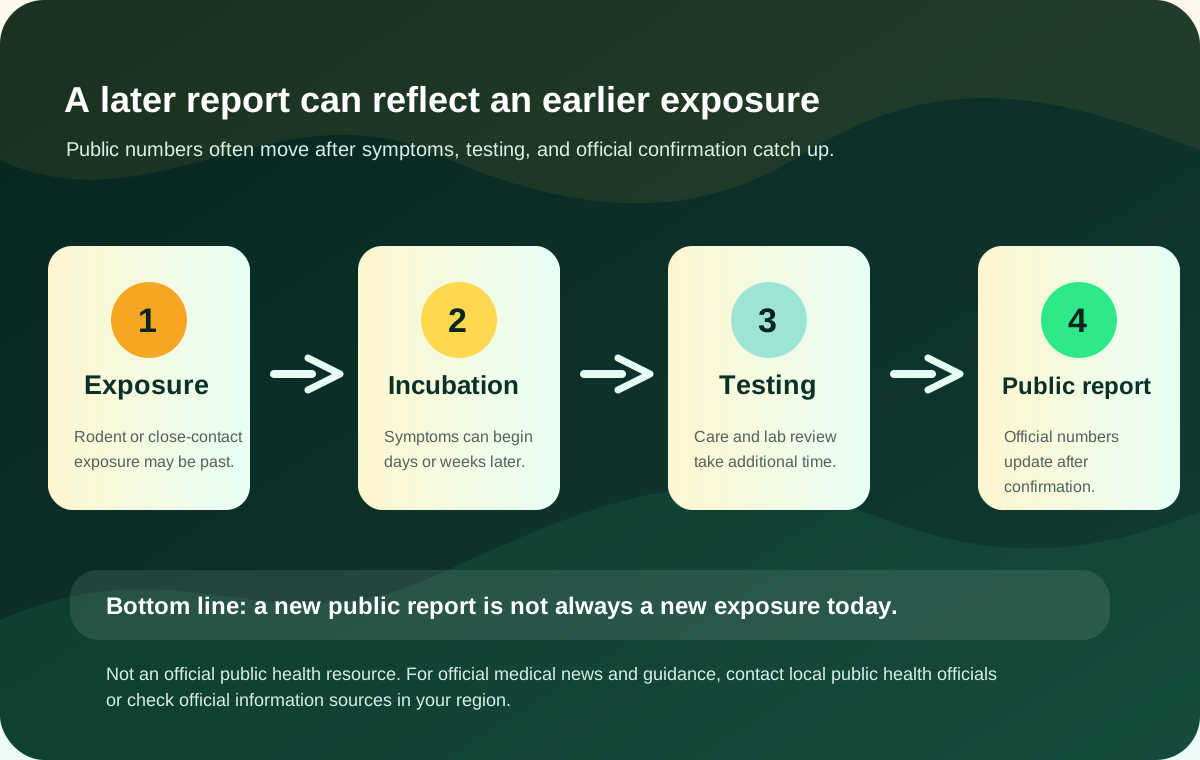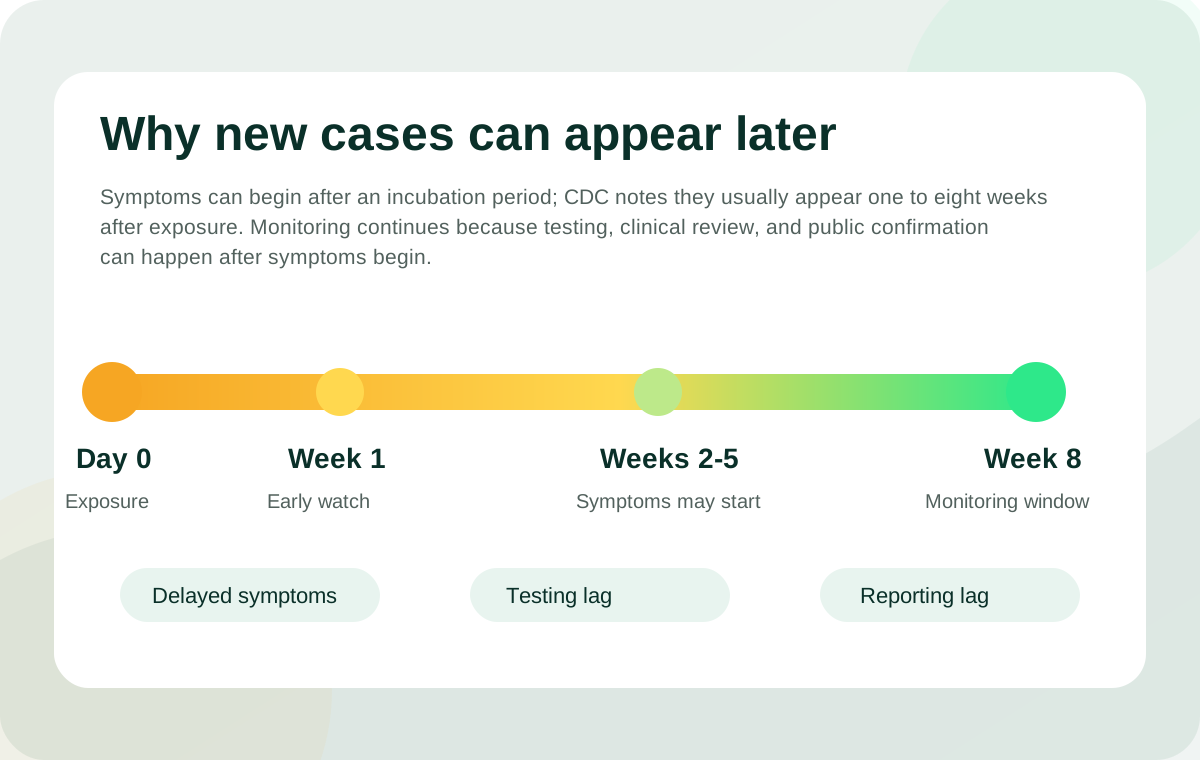
Hantavirus illness does not always begin immediately after a person is exposed. CDC describes symptoms as usually appearing from one to eight weeks after contact with fresh urine, droppings, saliva, or nesting material from infected rodents, while WHO describes hantaviruses as rodent-borne viruses that can cause severe disease depending on the virus and region. In Andes virus investigations, a CDC Emerging Infectious Diseases study found illness onset 7 to 39 days after a defined exposure, which is why a case can be reported well after a trip, cleanup, or shared exposure event has already ended.
Case reporting can also lag behind illness. Early symptoms may look like many other infections, and a person may not seek care right away. After that, clinicians and public-health teams may need laboratory testing, clinical review, travel or exposure history, and sometimes repeat confirmation before a case is classified as suspected, probable, or confirmed. That delay is normal in public-health reporting and is one reason careful trackers should separate the date a source reports a case from the likely exposure period.
During an outbreak or shared-exposure investigation, a quiet few days should not be read as an immediate all-clear. Contact monitoring continues because people exposed around the same time may become ill on different days, and a later report may reflect an earlier exposure becoming visible rather than ongoing spread. Anyone who develops fever, muscle aches, shortness of breath, severe fatigue, or other concerning symptoms after possible rodent exposure should tell a healthcare provider about that exposure and follow guidance from official public-health authorities.
_(0ffb648c-2e9f-4a02-a44c-44d3262b13bd).jpg)